Reflections on the Plight of Women’s Rights in China through the Lens of the Iranian Feminist Movement

By WRIC Jing Zhang                               12-04-2025


Note: This article is based on a speech delivered by Jing Zhang at the China Action X-Space discussion regarding the Iranian opposition movement.


Summary Abstract: Human rights activist Zhang Jing offers a thought-provoking comparison of the women’s rights movements in Iran and China. By analyzing the “Women, Life, Freedom” movements in both countries and the systemic oppression under their respective regimes, Zhang Jing points out that despite the different forms of resistance, the struggle for women’s liberation is inextricably linked to the overthrow of bullying in a patriarchal society and dictatorial rule.


Before 1979, particularly during the Pahlavi dynasty, Iran’s women’s rights movement secured significant progress. Women gained the right to education, the right to vote, and legal protections within the family, including fairer laws regarding divorce and child custody.


However, the landscape shifted dramatically with the 1979 Islamic Revolution and the rise of Ayatollah Khomeini. The 1967 Family Protection Law was abolished, and new mandates—such as the compulsory hijab and strict public dress codes—were introduced. Consequently, women’s rights were curtailed, and their social status plummeted.


Women protestors, surrounded by men as a form of protection, march against the veil in Tehran, on March 10, 1979. Bettmann Archive Getty Images.


In 2006, various Iranian women’s groups across the political spectrum launched the “One Million Signatures” campaign, demanding an end to discriminatory laws. Under Iranian penal law, appearing in public without an “Islamic headscarf” is a criminal offense, punishable by fines or imprisonment.


 From Silence to Resistance: “Woman, Life, Freedom”


 Despite decades of activism, it wasn’t until around 2014 that feminists found a unifying focal point: the movement against the mandatory hijab. In December 2017, the issue exploded into a political firestorm when Vida Movahed stood atop a utility box on Revolution Street, silently waving a white scarf. This bold act inspired the “Girls of Enghelab Street.”


Vida Movahed, pictured lifting her head scarf into the air on Tehran’s Enghelab Street, is credited with sparking a wave of protests in Iran against the compulsory wearing of the hijab.Photograph by Abaca Press / Sipa USA via AP


The movement culminated in September 2022 following the death of Mahsa Jina Amini in the custody of the “morality police.” The powerful images of women and girls taking to the streets chanting “Woman, Life, Freedom” garnered global solidarity. The Iranian authorities responded with brutal repression, resulting in the unlawful killing of over 500 protesters and the weaponization of sexual violence to silence dissent.


Amidst heightened international tensions and frequent exchanges of barbs between the US and Iran, the Iranian regime has found a “legitimate” pretext for even harsher repression of the women’s liberation movement. As 2025 draws to a close, the Iranian women’s rights movement shows no signs of significant progress. according to the UN, the repression of women in Iran has intensified in recent years, despite the mass protests.


According to the UN, the repression of women in Iran has intensified in recent years, despite the mass protests.


Photo by Iran Human Rights Monitor.


Comparing the Struggles: Iran vs. China


While women in both Iran and China face oppression under some of the world’s most authoritarian regimes, the situation in China presents unique challenges in terms of international representation and survival at the grassroots level. In other words, the Iranian government, using faith and law, openly persecutes, sexually assaults, and even executes feminists; while the Chinese government, unable to control its own laws, cleverly uses lies to deceive the international community, leveraging state power to distort, smear, and attack feminists, relentlessly depriving them of their right to speak and replacing their voice at different levels, both domestically and internationally, until the space for women’s rights is compressed to its absolute minimum.


We can look at it from three main aspects:


  1. The Monopoly of International Discourse


A prime example is Peng Liyuan, China’s First Lady, who serves as UNESCO’s Special Envoy for the Promotion of Education for Girls and Women. Despite her prominent position, she has consistently remained silent on the key figures and core demands of the grassroots women’s rights movement in China. In her public appearances, she has never addressed some of the most systemic cases that define today’s struggles—such as the Xuzhou “Chained woman” case, the Tangshan restaurant attack, and the alarming suicide rate among rural women in China (which has the highest suicide rate among its peer group in the world).


Peng Liyuan and state-led groups, including NGOs, have effectively hijacked women’s voices. They have crafted a glamorous facade of Chinese support for women’s rights to the world, masking the severe injustices faced by Chinese women in political, economic, and social spheres, and the real dangers faced by feminists.


Women’s Rights in China (WRIC) designed the poster.


WRIC designed the poster.


WRIC designed the poster.


WRIC designed the poster.


b. The Systematic Erasure of Grassroots Issues 


Beyond institutionally suppressing and replacing grassroots feminist voices, the government also uses legal means to suppress feminist demands. In many #MeToo lawsuits, the vast majority of female plaintiffs are defeated, especially in cases supported by feminists.


Simultaneously, the government deploys a large and systematic online army funded by the government to distort, ridicule, and attack feminist ideas online, and to launch personal attacks and threats against feminist activists. Due to a complete lack of media and social support (only government-controlled media have a place in China), feminists are forced to “huddle together for warmth” in a small, isolated online circle. Landmark cases like the Xuzhou “chained woman” case were not only erased by the Great Firewall but also systematically suppressed by at least 200,000 officially supported women’s organizations from the central to local levels.


Furthermore, due to the government’s strict control over vocabulary and foreign news, even reporting on #MeToo and related movements is restricted. Moreover, it is no longer possible for grassroots feminist organizations to obtain funding from overseas feminist groups; any NGOs that received foreign funding were forced to disband or be forcibly banned years ago. Due to a long-standing lack of grassroots organization and planning, large-scale protests have been impossible, and women’s issues have been quietly excluded from the public sphere. Even symbolic performance art can lead to police harassment or arrest.


c. Differences in Direct Confrontation


Compared to the ongoing women’s street movements in Iran, social activism in China is relatively mild, often involving very small groups—rarely seen even in small groups of several people—and rarely receiving male support. In Iran, however, thousands of women take to the streets, undeterred by being beaten bloodied, often with large numbers of men stepping forward to share the batons and bullets of the police. In China, fierce resistance has devastating consequences, clearing the streets in minutes and bringing silence back.


Furthermore, in Iran, Naarges Mohammadi and her fellow inmates could burn their headscarves as a symbolic protest; but in Chinese prisons, any similar act would be life-threatening or result in life-threatening injuries. Moreover, due to the lack of organized grassroots forces in China, isolated activities often fail to generate a wider social response.


Conclusion:  In Iran, the struggle is centered on visible symbols of oppression like the hijab. In China, the oppression is more systemic, rooted in the state’s total control over the narrative and the intentional atomization of activists. However, the fundamental truth remains: whether in Iran or China, as long as the current ruling regimes remain in power and until there is fundamental social change, true women’s rights will remain an impossibility.


WRIC Weekly Exhibition (8rd): Remembering the contributions of Zhang Zhan and giving them a voice.

By WRIC Zhou Mei                       12-13-2025


1)  In Support of Zhang Zhan


Today, we are here to speak out for Zhang Zhan, a Chinese citizen journalist who has risked her life to uphold the truth.


Zhang Zhan, born in 1983 in Xianyang, Shaanxi Province, holds a Master’s degree in Finance, is a former lawyer, and a Christian. In 2010, she came to Shanghai as part of a talent recruitment program, where she could have lived a stable and respectable life. However, she chose to witness the darkness, focus on the vulnerable, and speak out for the persecuted. Because of this conscience, she has been repeatedly arrested, detained, and suppressed by the police. Yet, no intimidation can stop her from acting in justice and showing mercy. At the beginning of the COVID-19 outbreak in 2020, the Chinese government blocked information and prohibited independent reporting. Zhang Zhan, however, went to Wuhan alone. With a mobile phone, she documented the long lines outside hospitals, the fear and reality under the lockdown, and exposed how the Chinese government detained independent journalists and harassed patients’ families.


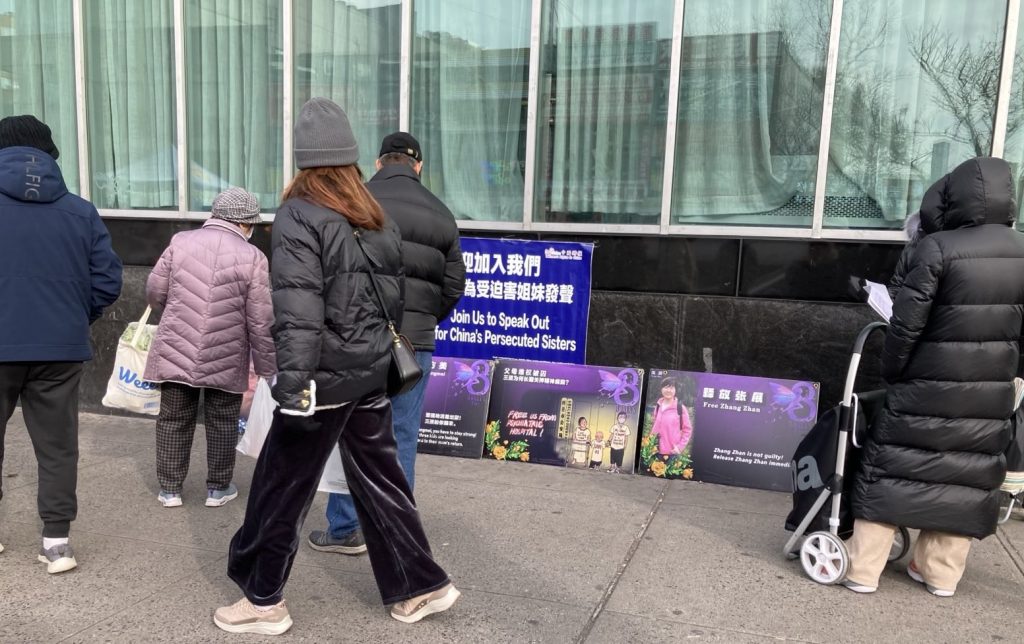
Photo taken by Zhang Yan on 12-13- 025, outside the Flushing Library in New York. (WRIC)


Photo taken by Zhou Mei on December 13, 2025, outside the Flushing Library in New York. (WRIC)


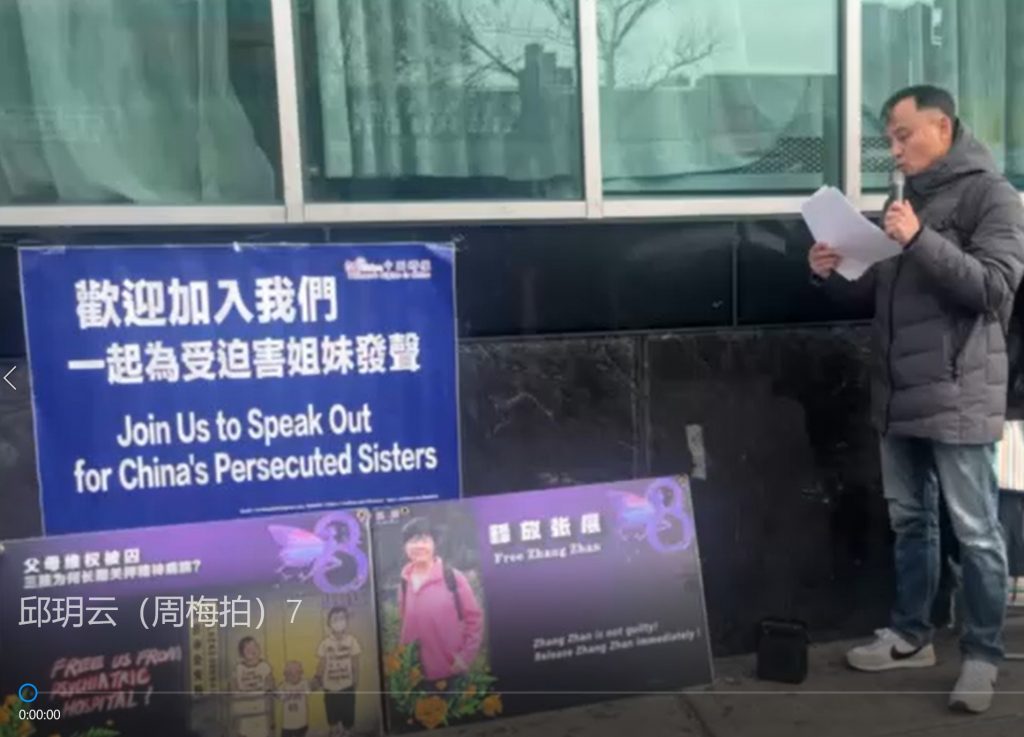
Qiu Yueyun has reading the stories of these heroines’ struggle. Photo by ZhangYan outside the Flushing Library, New York, 12-13- 2025. (WRIC)


Because she dared to speak the truth, she was arrested across provincial borders in May and sentenced to four years in prison for “picking quarrels and provoking trouble.” In the Shanghai Detention Center and Women’s Prison, she protested the injustice with a hunger strike, enduring torture including forced feeding, intubation, leg irons, and restraints. In court, she questioned the judge: “Don’t you think your conscience tells you it’s wrong to put me in the dock?” This was not only her cry for justice, but also a profound indictment of an era.


On May 13, 2024, Zhang Zhan was released from prison, but freedom did not return. She continued to be closely monitored, harassed, and followed. Just three months later, she was arrested again for traveling to Gansu to support human rights defenders. In September 2025, she was sentenced to four years in prison again on the same charge. Two four-year sentences—this is how the authorities punish those who speak the truth. But Zhang Zhan had already given her answer: She said, “Freedom is never free. The problem in this country is the system. I cannot stop because the evil has not stopped.” “If speaking out for one’s own survival is a crime, then I have no way to stop.” This is Zhang Zhan—a woman who refuses to remain silent, a citizen who values ​​truth more than life itself, a soul willing to bear the shackles for freedom but unwilling to yield.


Today, we stand here for her to tell the world: Zhang Zhan is not a criminal. She is one of China’s bravest witnesses. Speaking the truth is not a crime, pursuing the truth is not a crime, conscience is not a crime. We also want to tell the persecutors: You can imprison her body, but you cannot imprison her beliefs; you can judge her, but you cannot judge freedom; you can silence her for a time, but you cannot make the world forget her. The Chinese Women’s Rights Movement solemnly calls on the Chinese government: Release Zhang Zhan! Stop persecuting citizen journalists! Restore dignity to press freedom! Let speaking the truth no longer be a crime!


Photo taken by Zhang Yan on December 13, 2025, outside the Flushing Library in New York. (WRIC)


Photo taken by Zhou Mei on December 13, 2025, outside the Flushing Library in New York. (WRIC)


   2)In Support of He Fangmei


Today, we stand here to speak out for a mother, a courageous human rights defender—for He Fangmei, a Chinese woman who has suffered brutal persecution simply for protecting her child and seeking basic justice.


He Fangmei was born in Xinxiang, Henan Province in 1985. She is not a politician, not a social celebrity; she is just one of millions of ordinary mothers. However, her fate was completely changed on the day her daughter, just over one year old, suddenly became paralyzed after receiving the DPT vaccine. Faced with this sudden life-threatening disaster, she chose what all mothers would do—seek help from the government, seek treatment, and seek an explanation. But what she received was not assistance, but evasion; not the truth, but intimidation; not compensation, but repeated knocks on her door by the police. When she discovered countless families across the country suffering the same misfortune, she stood up and organized the “Vaccine Babies Home,” hoping to provide more treatment for victimized children and break the cycle of silence for more families. However, such good deeds became “crimes” under totalitarianism. She was detained, criminally detained, prosecuted, forcibly disappeared, and ultimately convicted.


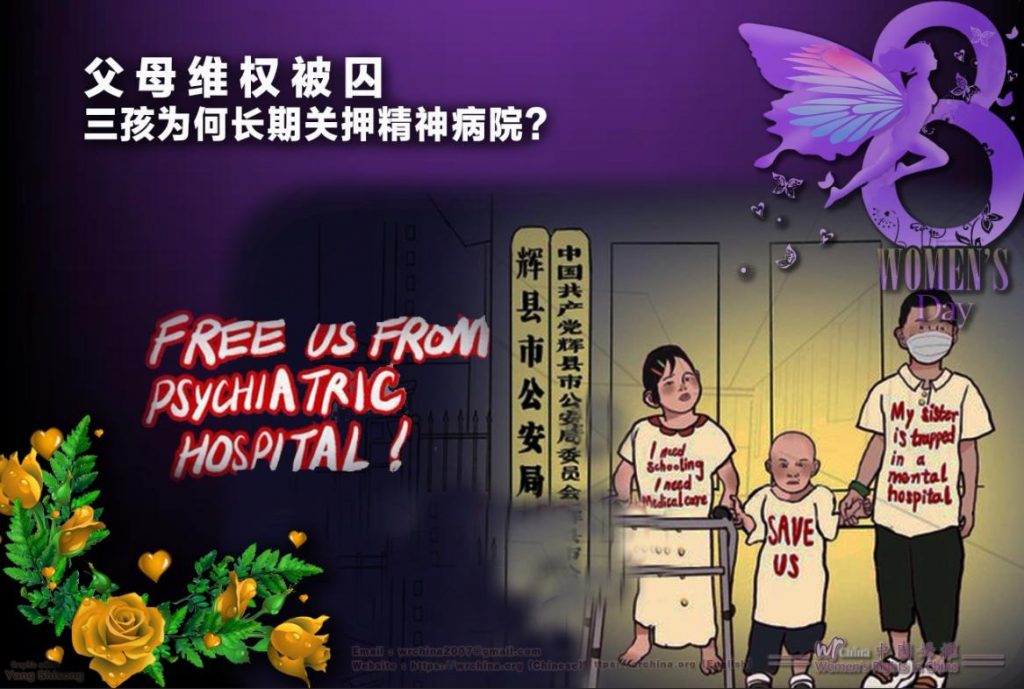
Zhang Yan (right) loudly recounts the story of He Fangmei (second from right on the banner; third from right are her three minor children who were once detained in a mental hospital) through a microphone. Photographed by Zhou Mei outside the Flushing Library, New York, December 13, 2025. (WRIC)


Banner image created by WRIC.


He Fangmei was placed under residential surveillance in a designated location for 18 months, giving birth to her infant daughter in a cold, confined environment. Shortly after giving birth, she was sentenced to a gruesome 5-year and 6-month prison term. Meanwhile, her torn family endured excruciating pain. Her husband was sentenced to five years in prison for supporting his wife’s activism; her two young daughters were hospitalized and then secretly moved, unable to be visited by relatives; her eldest son was placed in foster care elsewhere. A once complete and warm family was brutally crushed by the state apparatus. A mother seeking justice for her child has to pay the price of her entire family’s destruction? A citizen exercising their most basic rights has been met with imprisonment and nightmares?


We speak out here not only for He Fangmei, but also to tell the world: Under the rule of the Chinese Communist Party, if you dare to seek justice for children—you may be silenced; if you uphold the most basic human rights—you may be imprisoned, hunted down, and disappear.


Chinese women’s rights advocates strongly urge the Chinese government to: immediately release He Fangmei; guarantee the basic personal safety and visitation rights of her husband and children; stop persecuting vaccine victims’ families under criminal charges; allow lawyers to meet with them according to law and allow families to obtain information; and ensure that children harmed by vaccines receive genuine treatment, instead of becoming victims of political black boxes.


We stand with conscience, speak out for freedom, in the name of mothers, and in the name of humanity. For He Fangmei, for her children, for all those persecuted for their courage—we will not back down, nor will we remain silent. Our cries will not cease until He Fangmei is free.
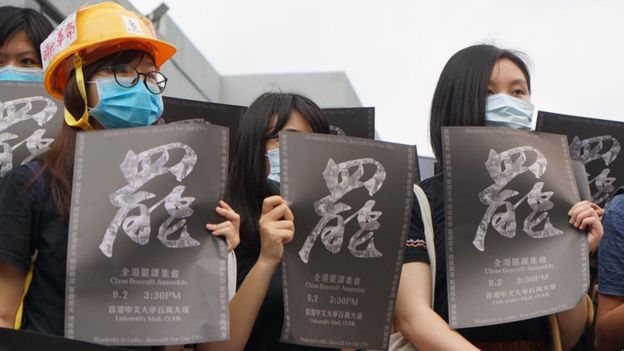
 

Photo taken by Zhang Yan on December 13, 2025, outside the Flushing Library in New York. (WRIC)


  3) In support of Gulshan Abbas


Today, we stand here for a most basic, yet deprived right—to let the world hear the name of Gulshan Abbas. Gulshan Abbas, Uyghur, retired doctor. She was not a politician, not an activist; she was simply an ordinary woman who spent her life practicing medicine, caring for patients, and protecting her community.
 

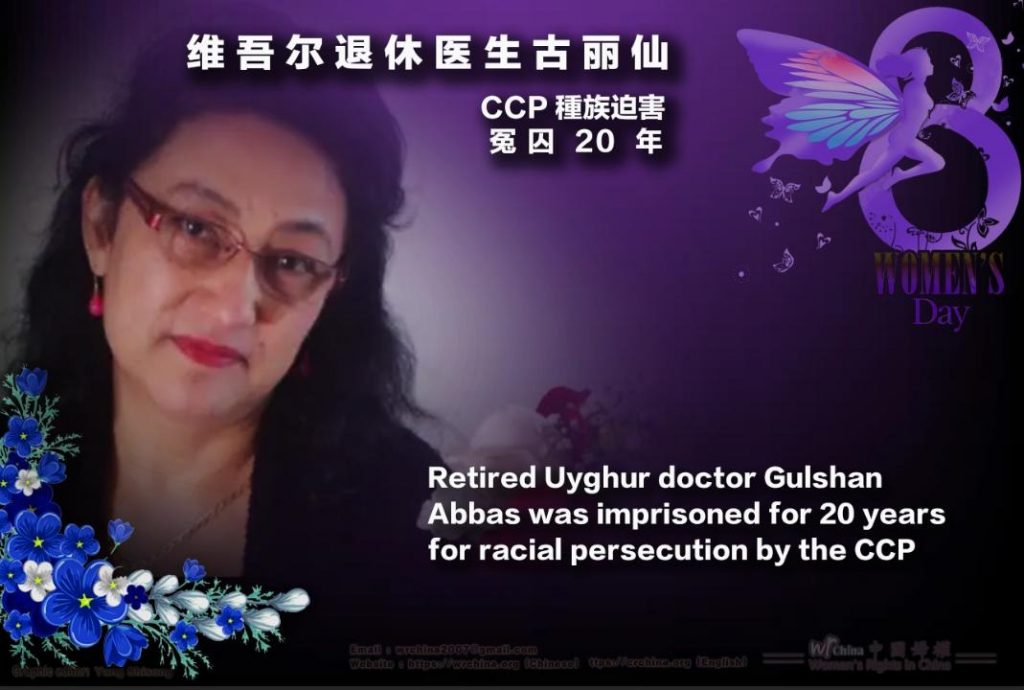
However—in September 2018, she was forcibly taken from her home. No reason, no notification, no legal process. From that day on, her life was silently erased, disappearing behind the high walls and iron curtain of Xinjiang. Her family searched desperately for two years without any news. It wasn’t until the end of 2020 that they were forced to learn the truth—Gulixian Abbas had been secretly sentenced to twenty years in prison.


The banner in the picture shows a Uyghur doctor Gulixian on the far left. Photographed by Zhang Yan on December 13, 2025, outside the Flushing Library in New York. (WRIC)


The banner image created by WRIC.


Twenty years—for a woman who had never committed a crime, never used violence, and was simply a retired doctor, this is not justice, this is punishment; not a verdict, but the destruction of her life.


What’s even more infuriating is that her arrest occurred exactly six days after her sister, Uyghur-American human rights activist Rushan Abbas, publicly revealed the truth about Xinjiang. This is not a coincidence. It is a warning, retaliation, and blatant political intimidation using a relative as a hostage.


Her sister once said, “I raised the microphone, and they took my sister away.” This is what Gulixian Abbas experienced. More than seven years have passed—where is she? Is she healthy? Is she still alive? No one knows.


When a country can imprison a retired doctor in the dark for twenty years, it can imprison anyone. When a regime uses relatives as hostages, it attempts to silence the voice of an entire ethnic group. We must face the truth—what the Uyghurs are suffering is a blatant genocide. Mass detention, forced labor, forced sterilization and abortion, forced marriage—systematically labeling an entire religious community as “criminal.” All of this is happening.


We solemnly appeal to the Chinese government: Immediately release Gulixian Abbas! Reveal her whereabouts! Allow her family and lawyers to visit her! Immediately cease the collective persecution of innocent Uyghurs under the guise of “counter-terrorism”! Gulixian cannot speak today, but we can. She cannot stand up today, but we can. Her freedom has not been restored, and our voices will not cease. As long as Gulixian is not free, we will not remain silent. Persecution of church pastors, denial of freedom of belief—the Chinese government’s trampling on the constitution is shameless!


(Photo: WRIC Zhang Yan)


Machado Arrives in Norway After High-Risk Escape

Comprehensive Report         12-12-


Nobel Peace Prize laureate Corina Machado said today that the United States assisted her in arriving in Norway December 11, 2025, from her hideout in Venezuela, and expressed support for U.S. military action against her country, vowing to return home.


Machado missed the official award ceremony on December 10 but appeared publicly for the first time in nearly a year just hours later.


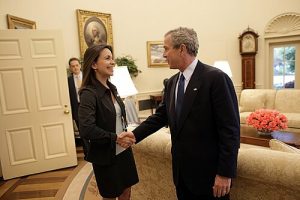
President Bush: Meeting with the Executive Director of the Venezuelan Civil Society Group Sumate. Oval Office. President George W. Bush met on May 31, 2005 with Maria Corina Machado, the Founder and Executive Director of Sumate. Sumate is an independent democratic civil society group in Venezuela. White House photo by Eric Draper.


The operation to transport her to safety involved significant coordination among multiple parties:


The extraction was orchestrated by the Grey Bull Rescue Foundation, a Florida-based nonprofit led by U.S. Army and Navy veteran Bryan Stern. The team managed a “land, sea, and air” mission that involved smuggling Machado through 10 military checkpoints in Venezuela while she was in disguise.


Machado confirmed that she received “support” from the United States government for her travel. This coordination reportedly included alerting the U.S. military to her sea route to ensure her small vessel was not targeted by airstrikes amid an ongoing U.S. pressure campaign in the Caribbean.


Escape Route: Machado traveled by a small skiff across the Caribbean Sea to the island of Curaçao in rough, pitch-black conditions. From there, she boarded a private jet that flew to Oslo, making a brief stop in Bangor, Maine.


While Machado was end route, her daughter, Ana Corina Sosa Machado, accepted the Nobel Peace Prize on her behalf. Upon her arrival at the Grand Hotel in Oslo at approximately 2:30 a.m., Machado was greeted by cheering supporters singing the Venezuelan national anthem.


Despite being declared a “fugitive” by the Maduro government for leaving the country, Machado has vowed to return to Venezuela with her award, though she has not disclosed a specific timeline for her return.


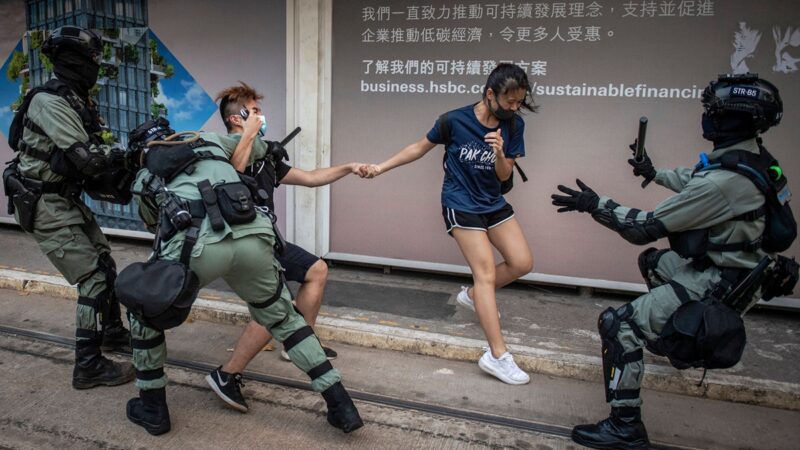
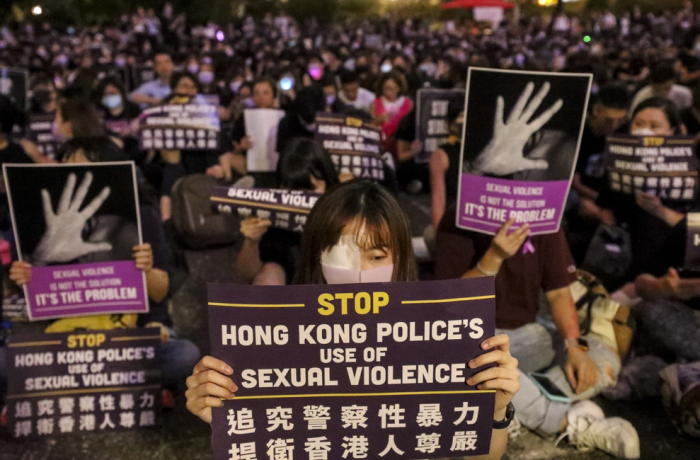
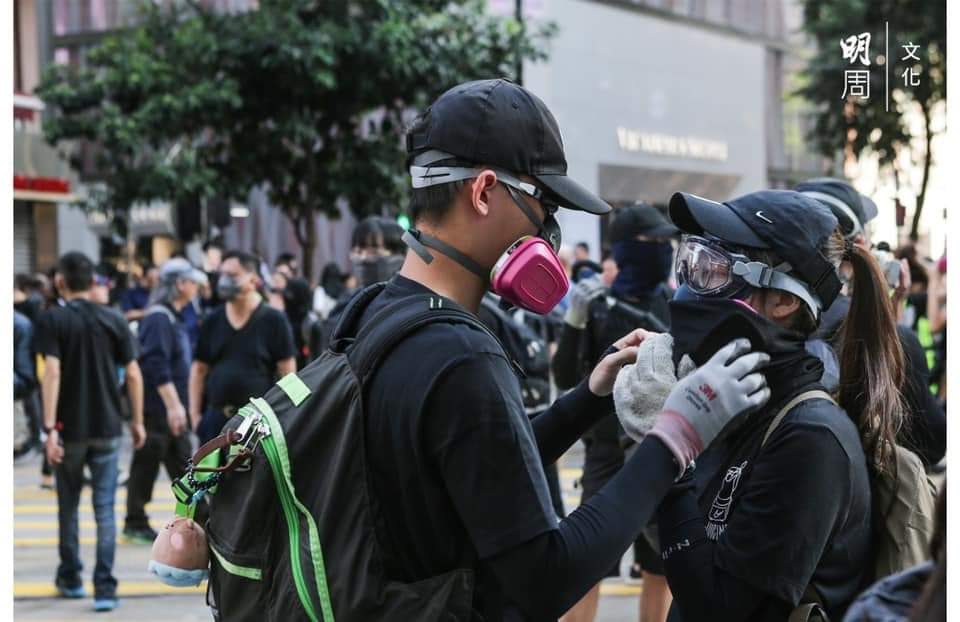
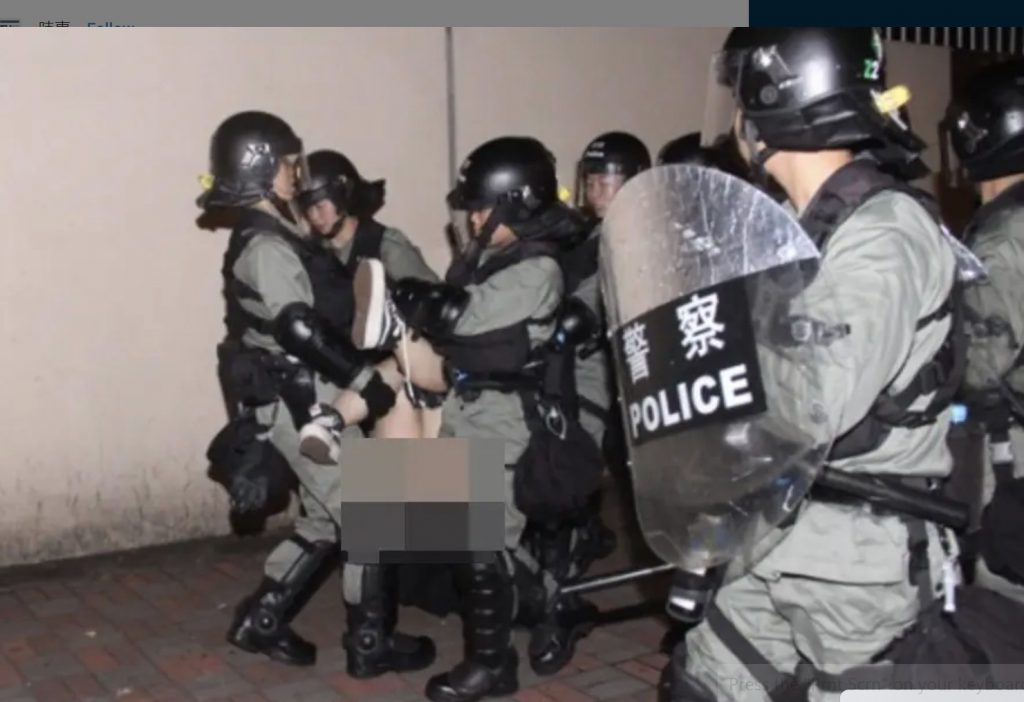
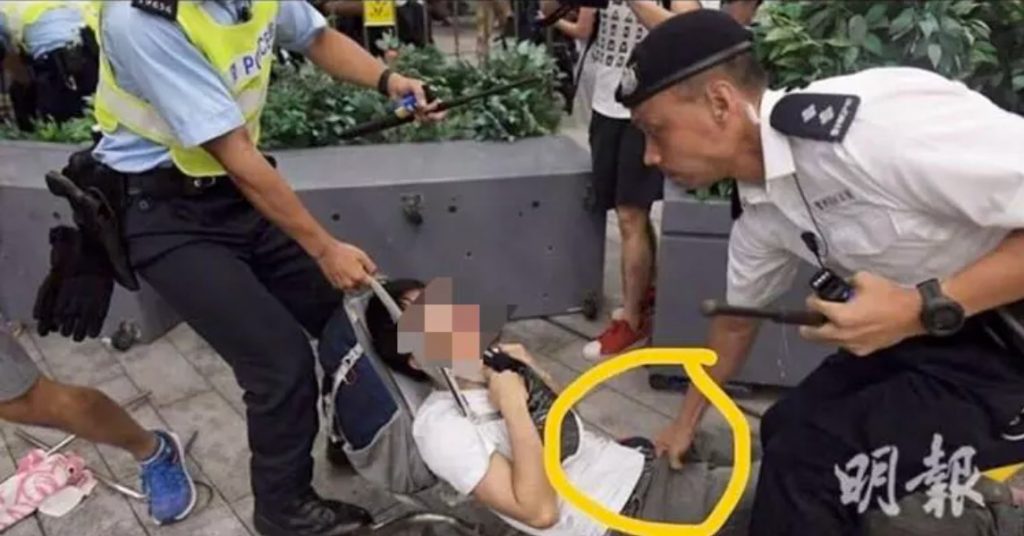
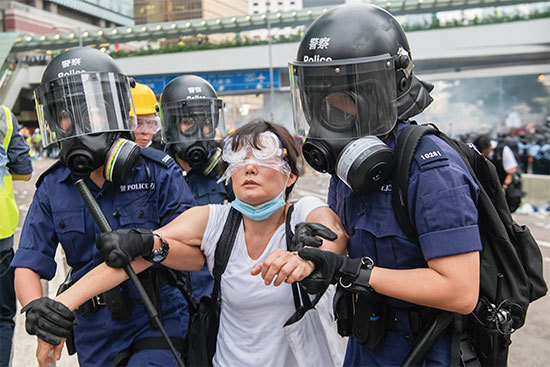
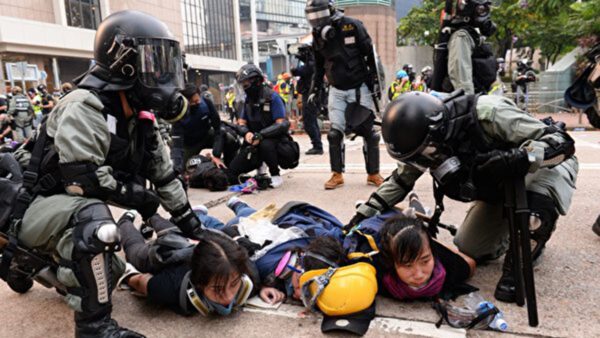
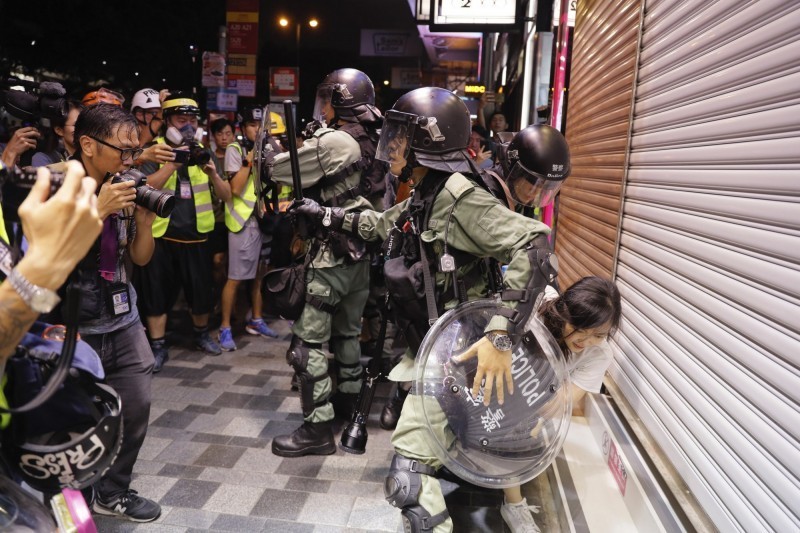
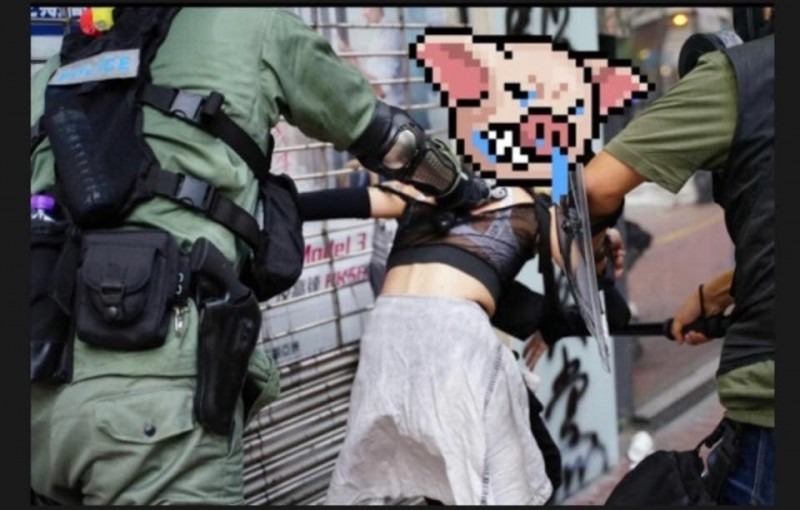
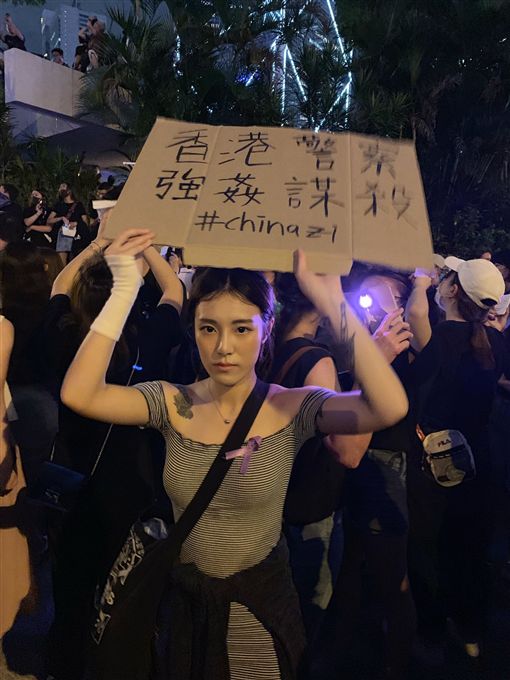
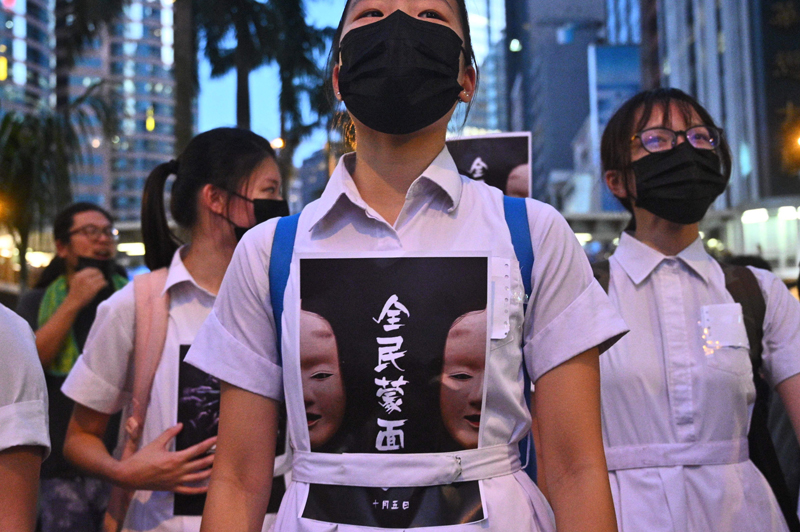
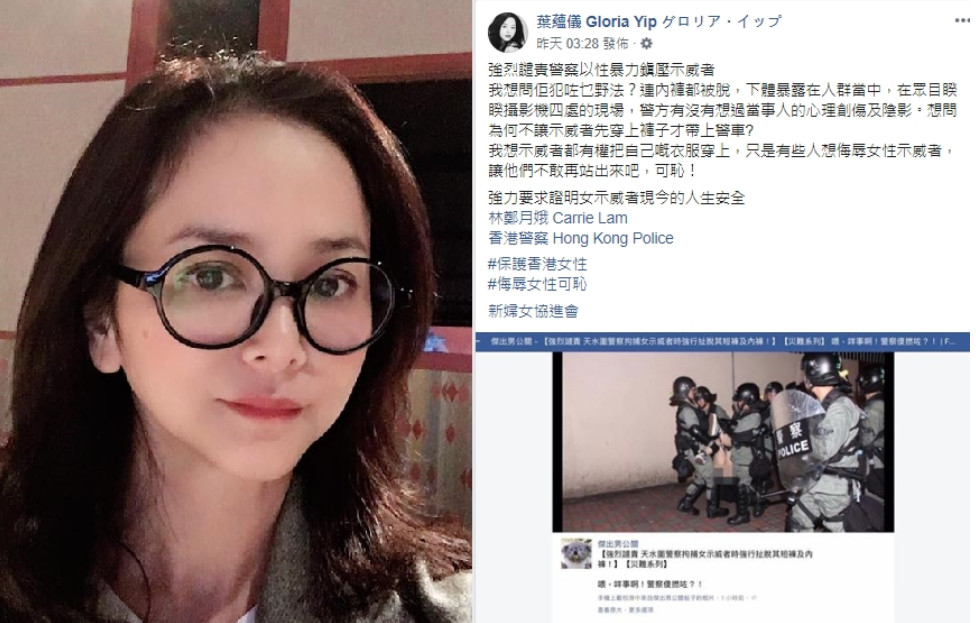
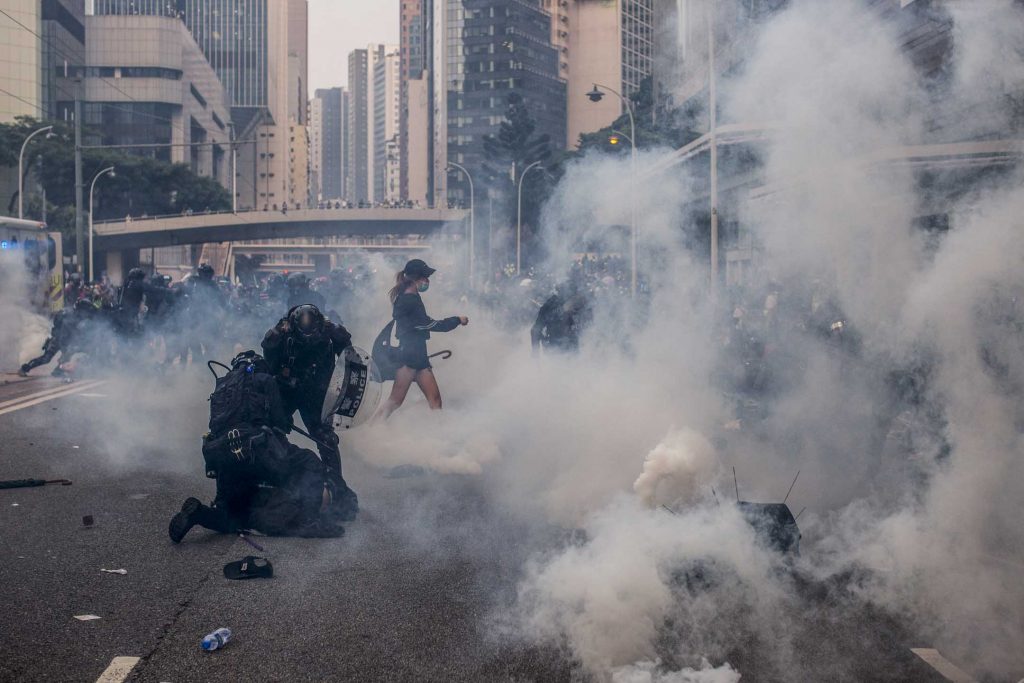
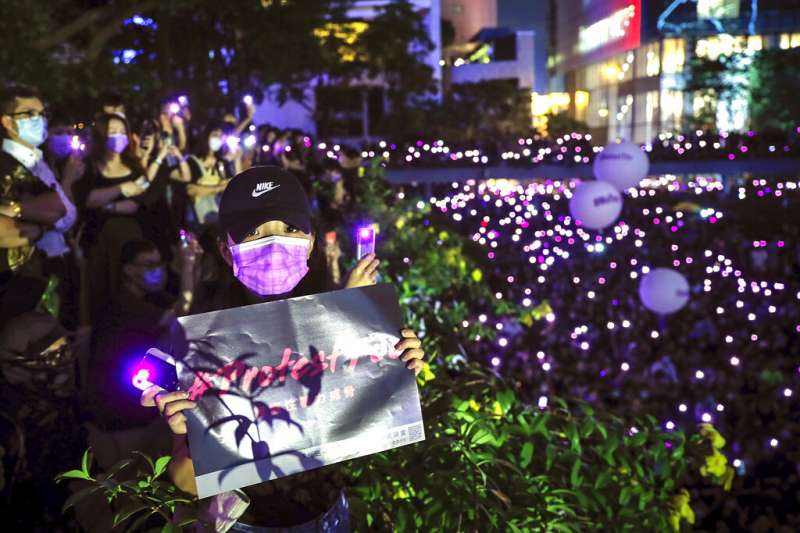
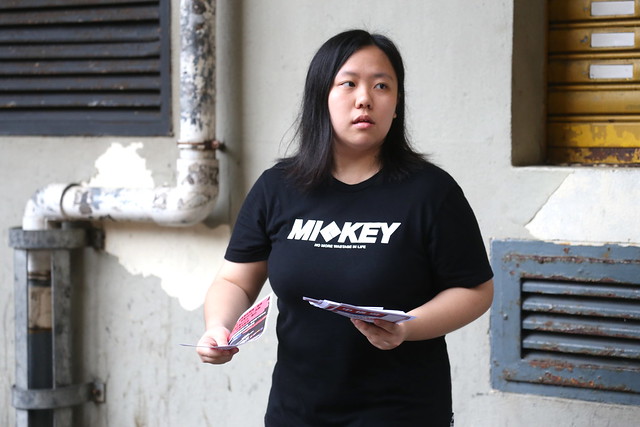
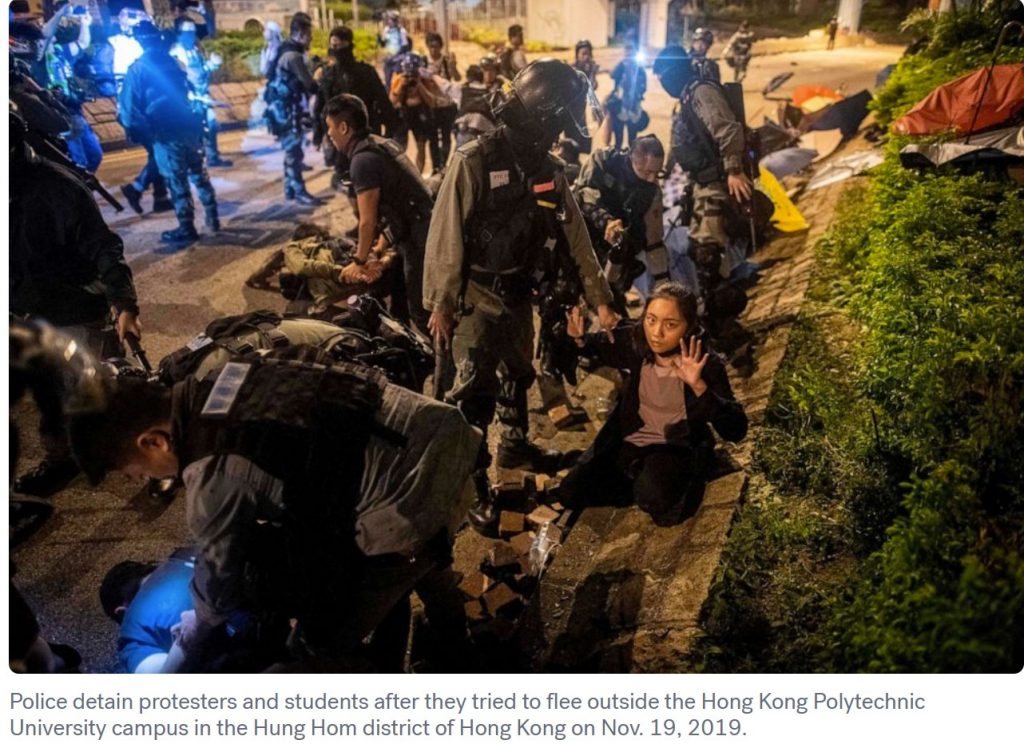
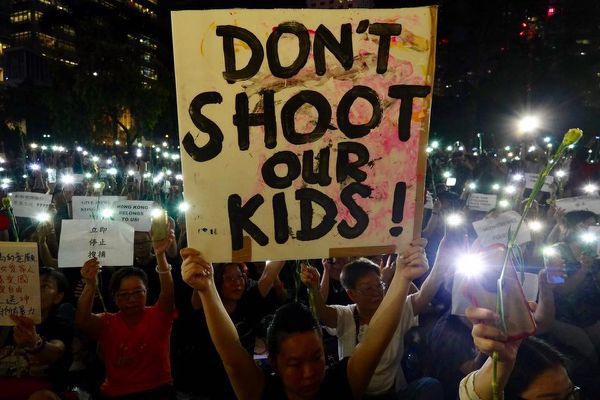
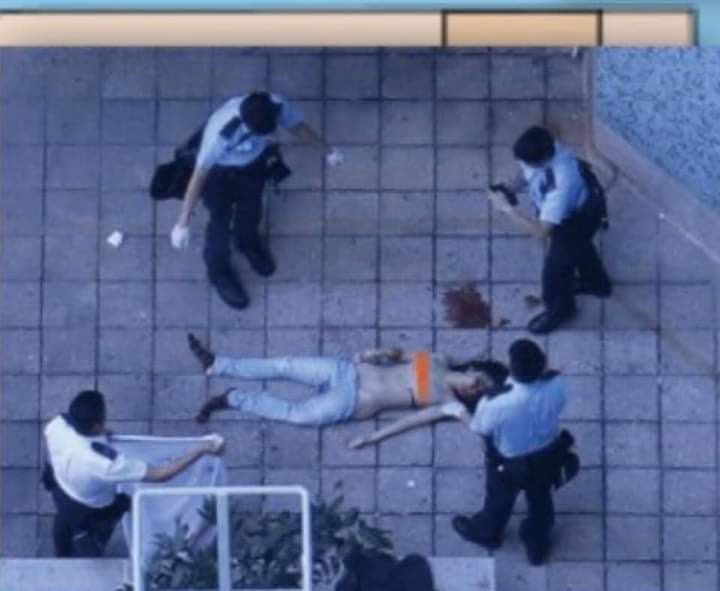
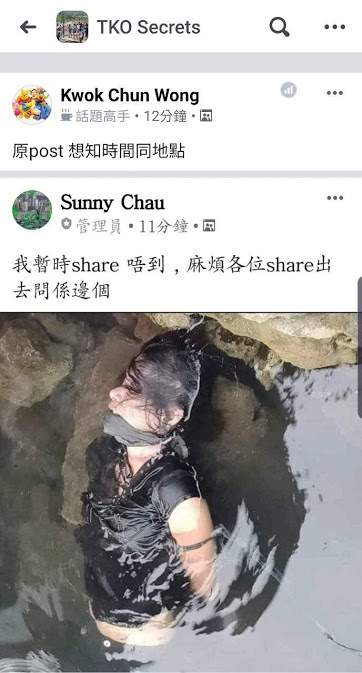
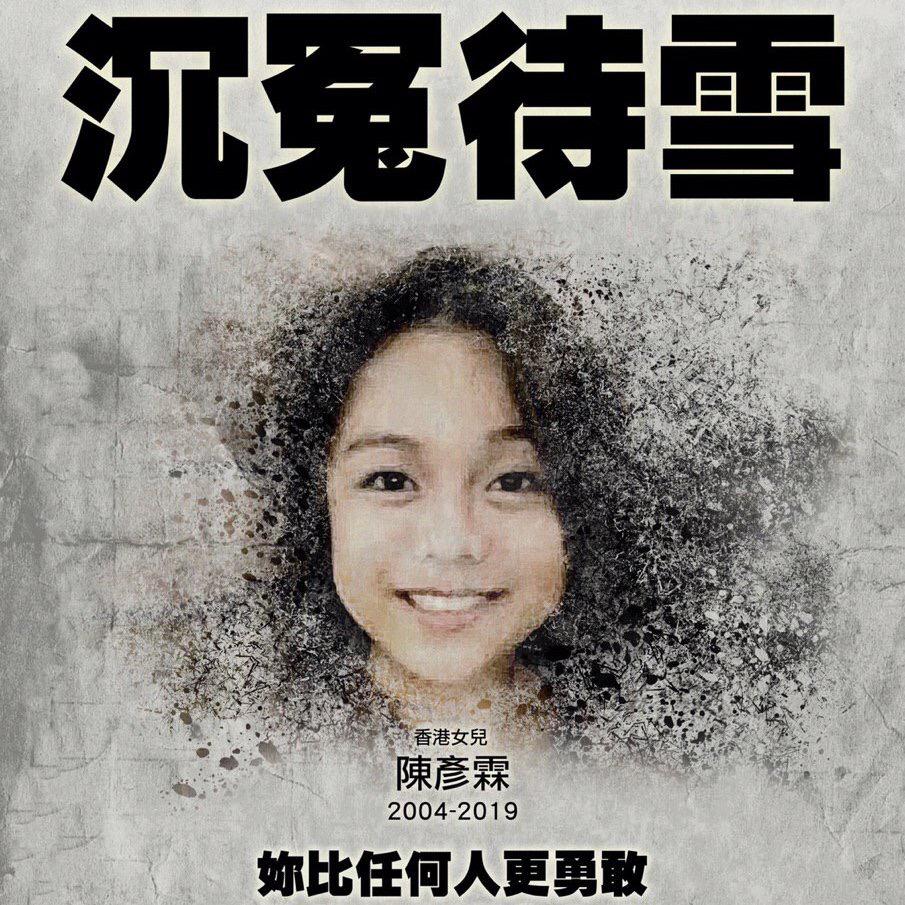
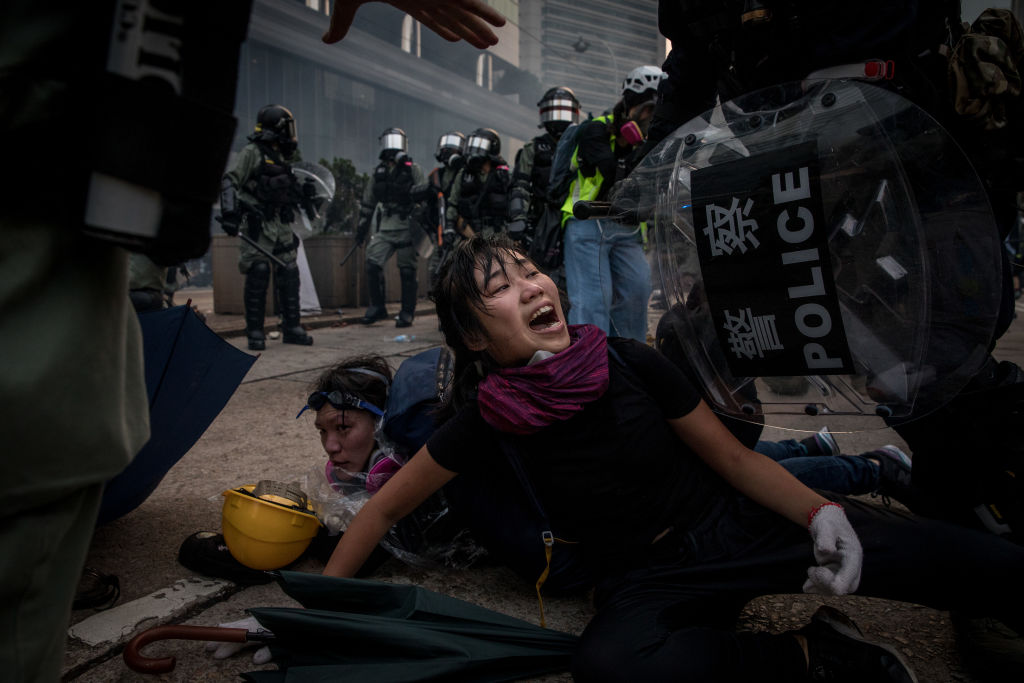
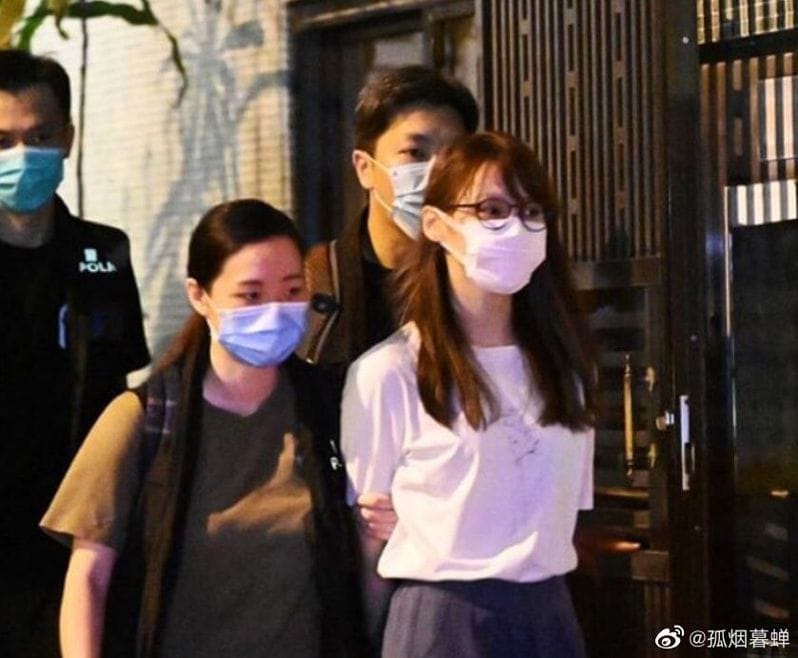
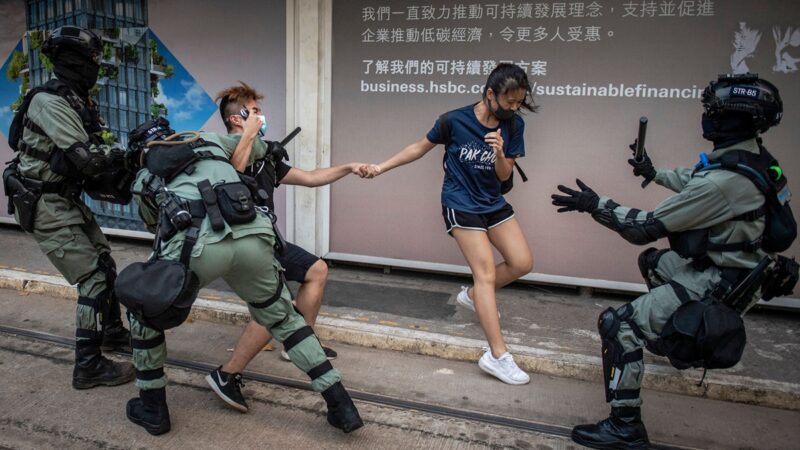
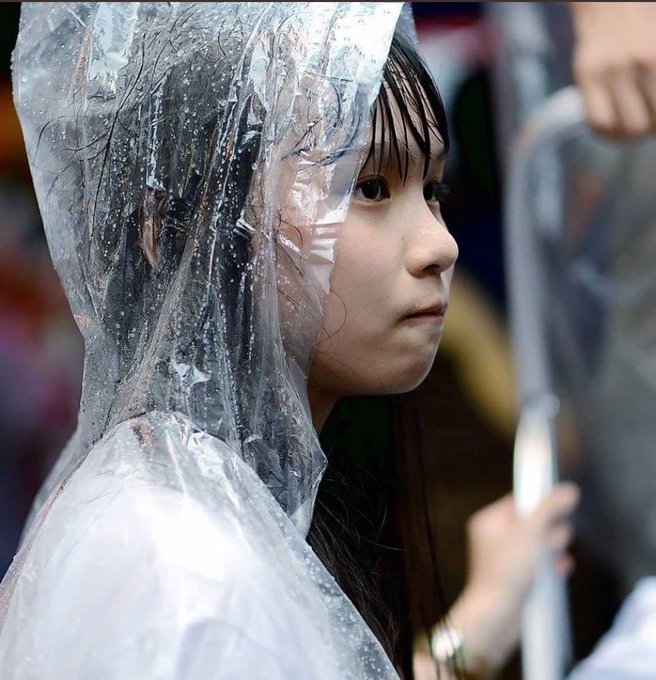
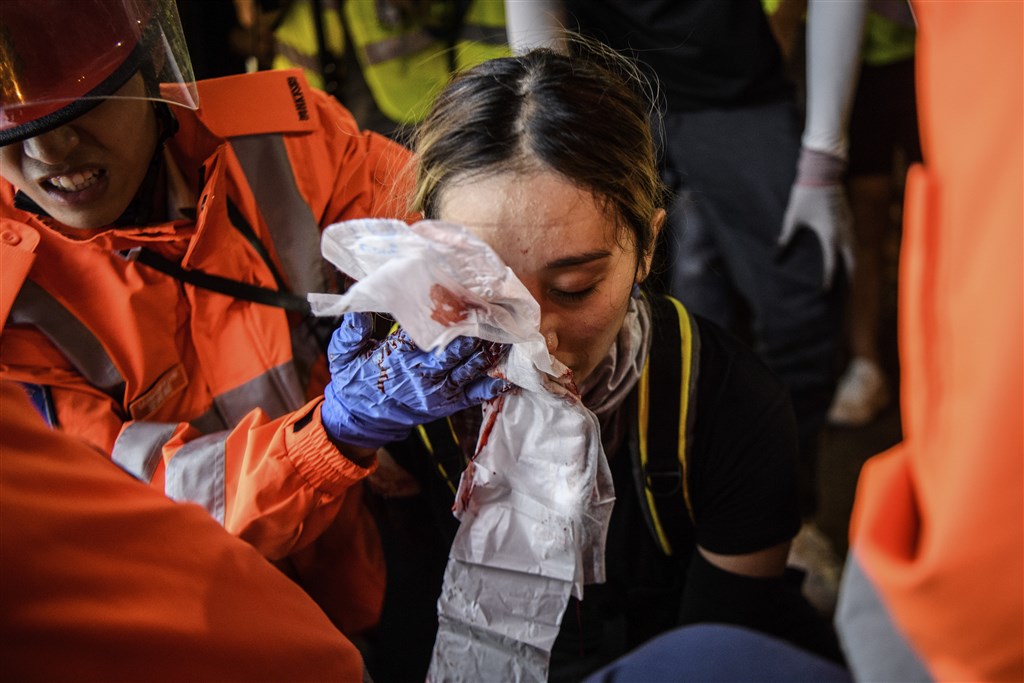
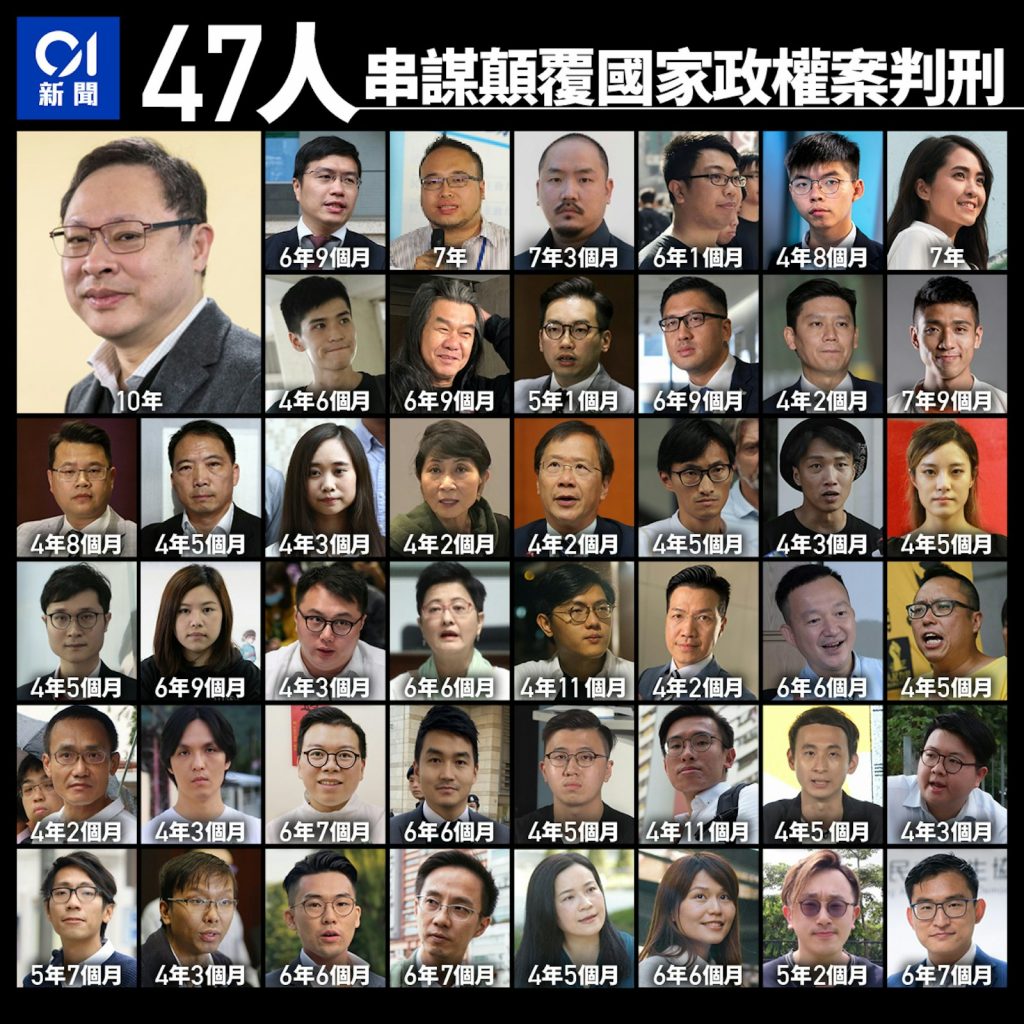
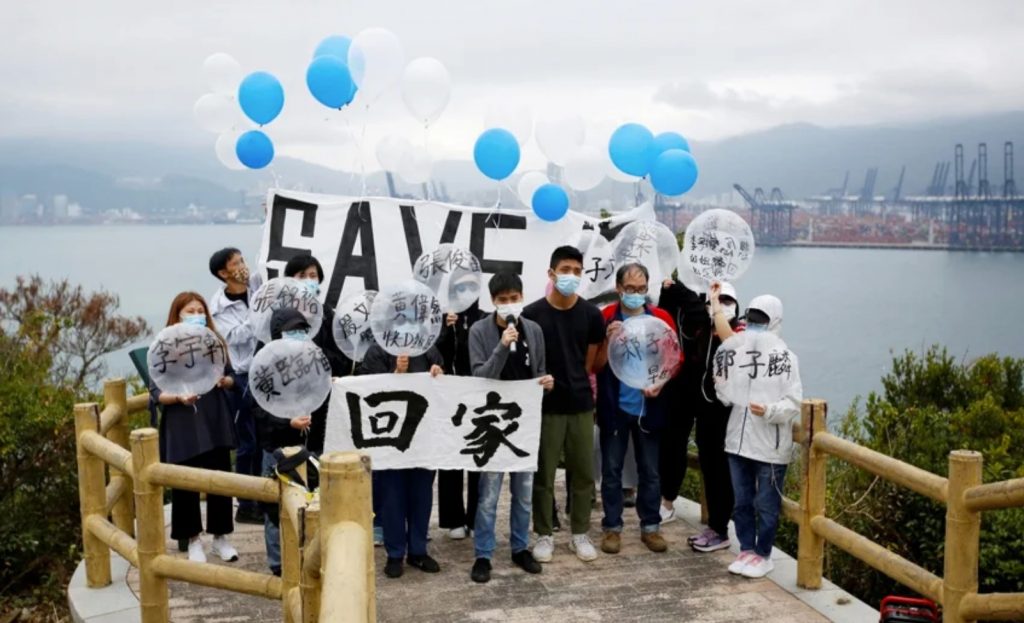
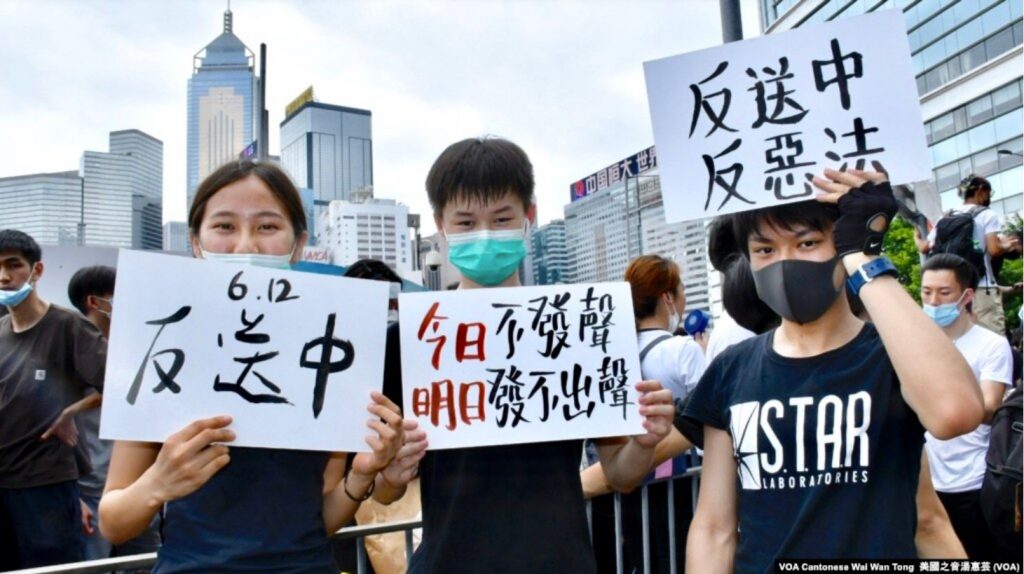
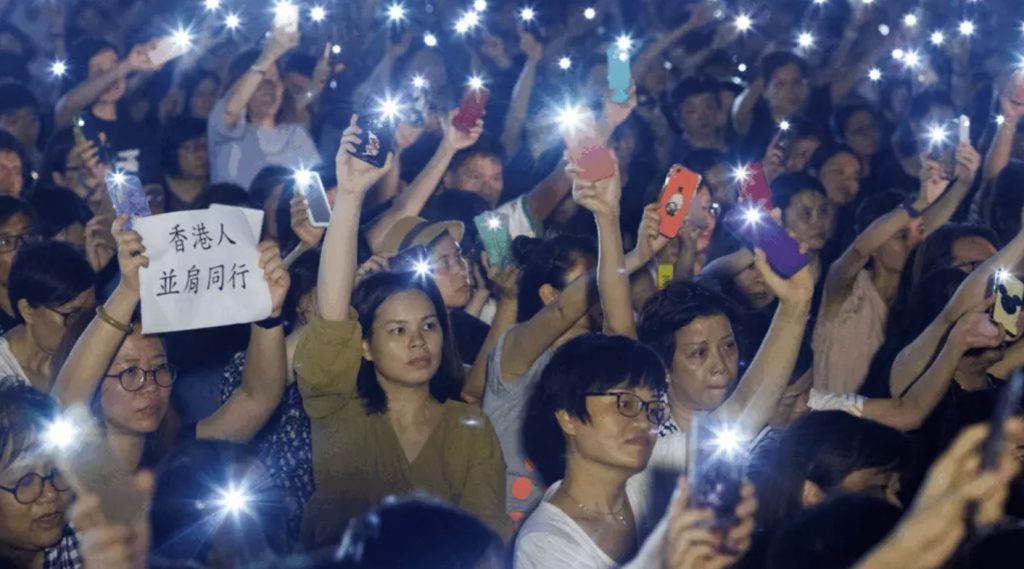
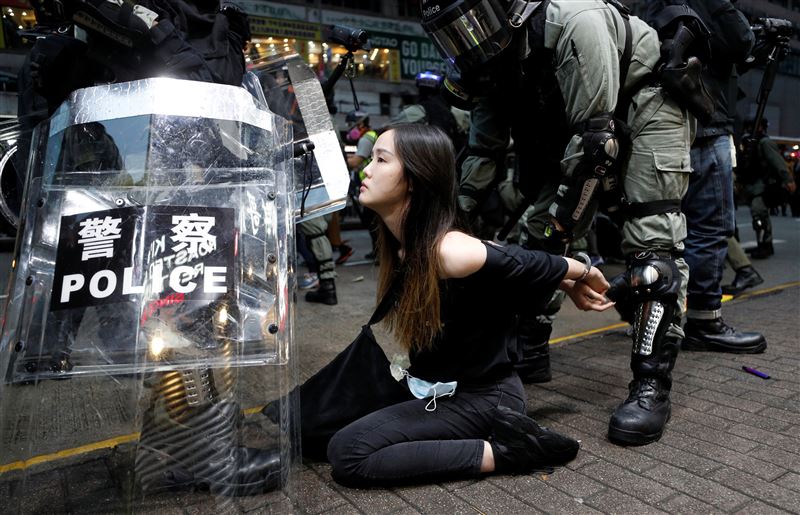
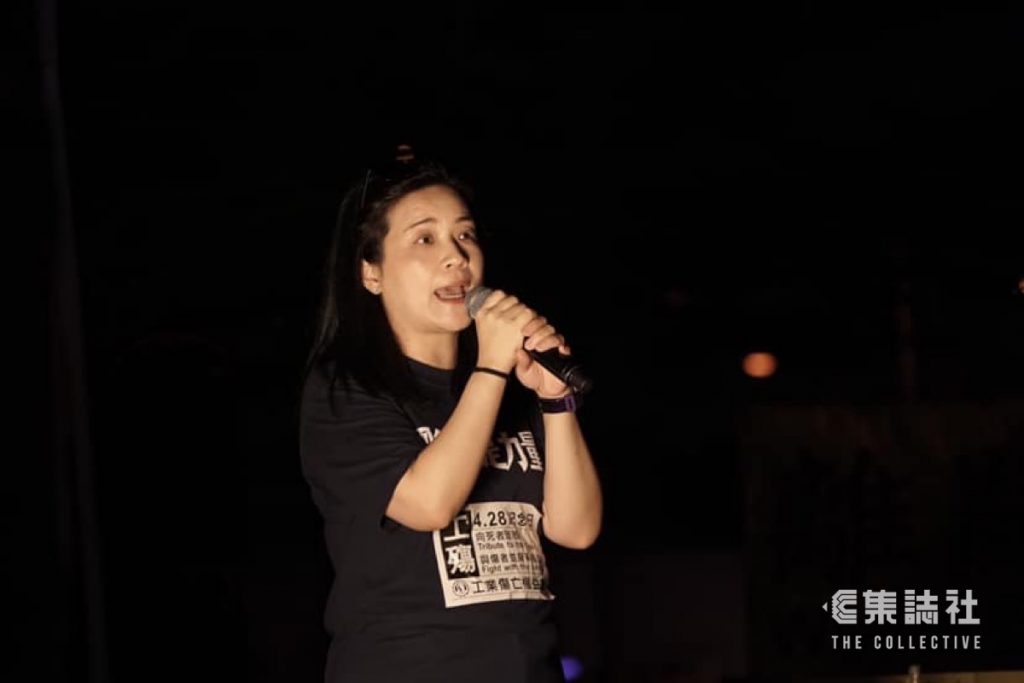
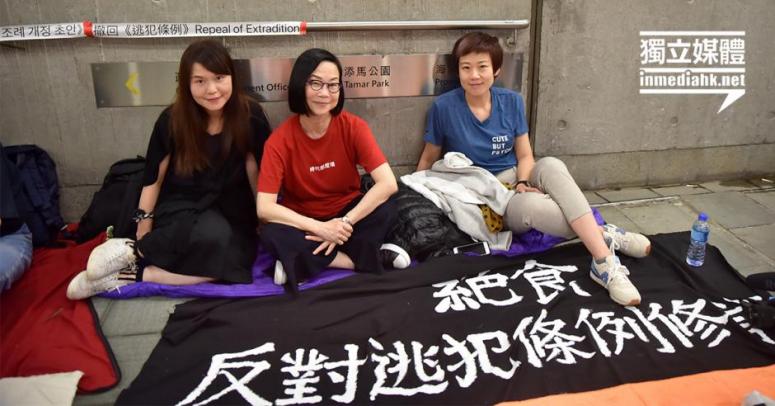
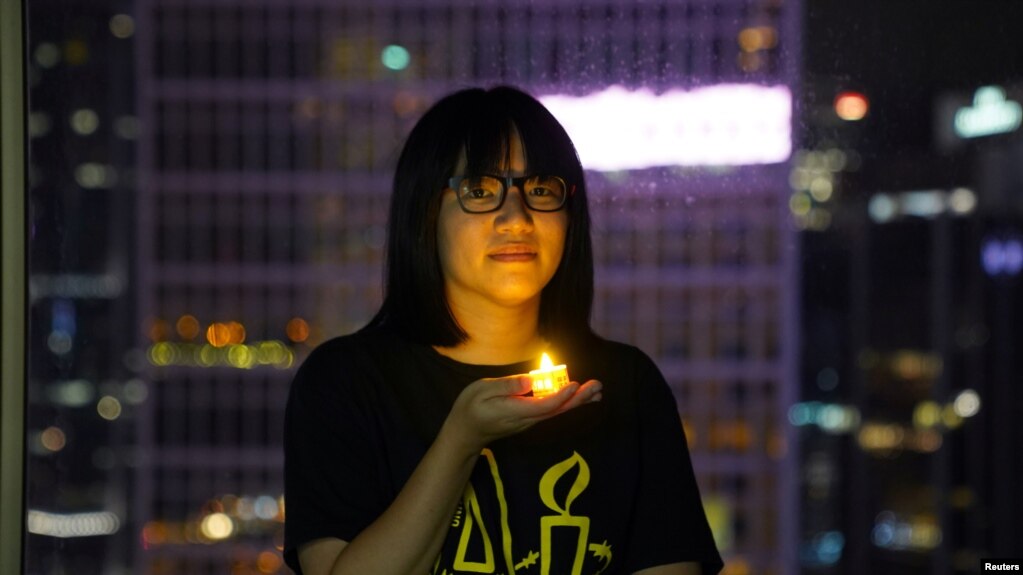
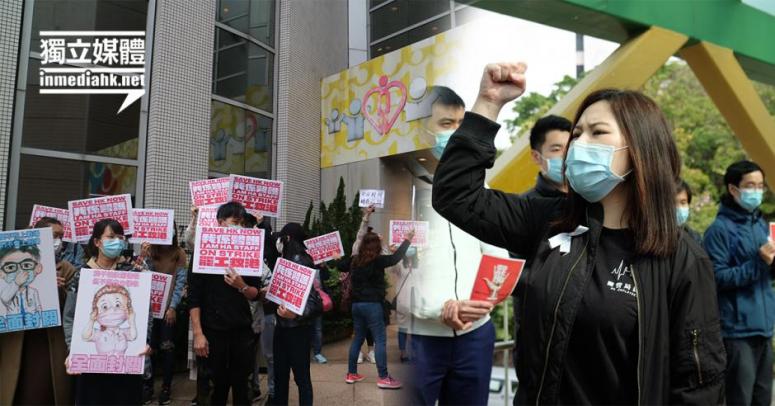
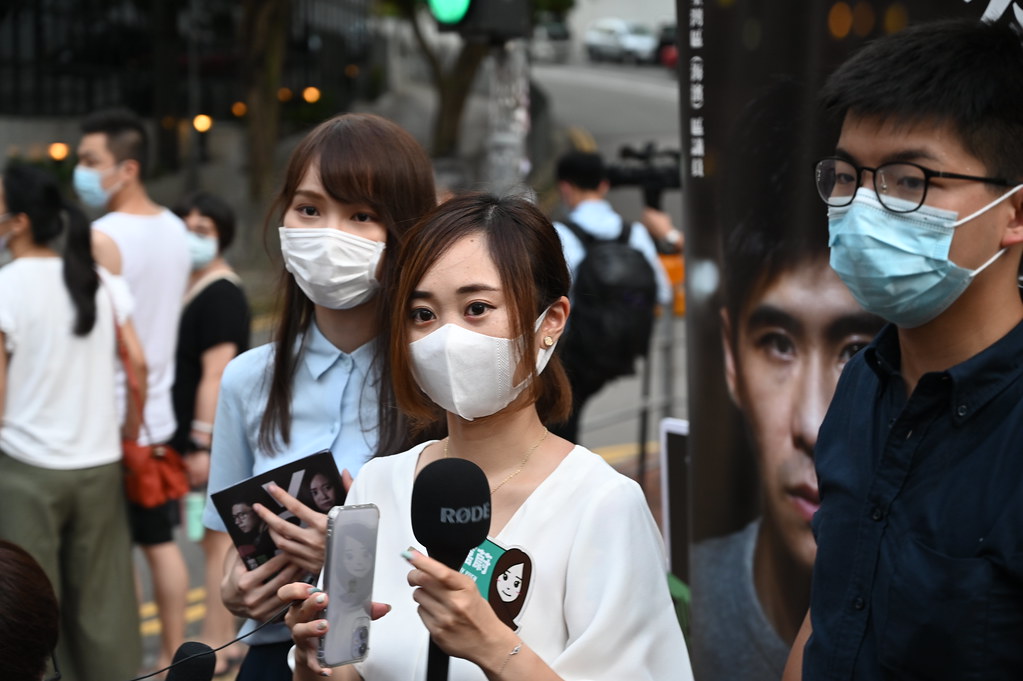
6 Anniversary of HK’s Anti-Extradition Bill Protests: Women as the Vanguard of Revolution (Photos Gallery)

WRIC                                  12-10-2025


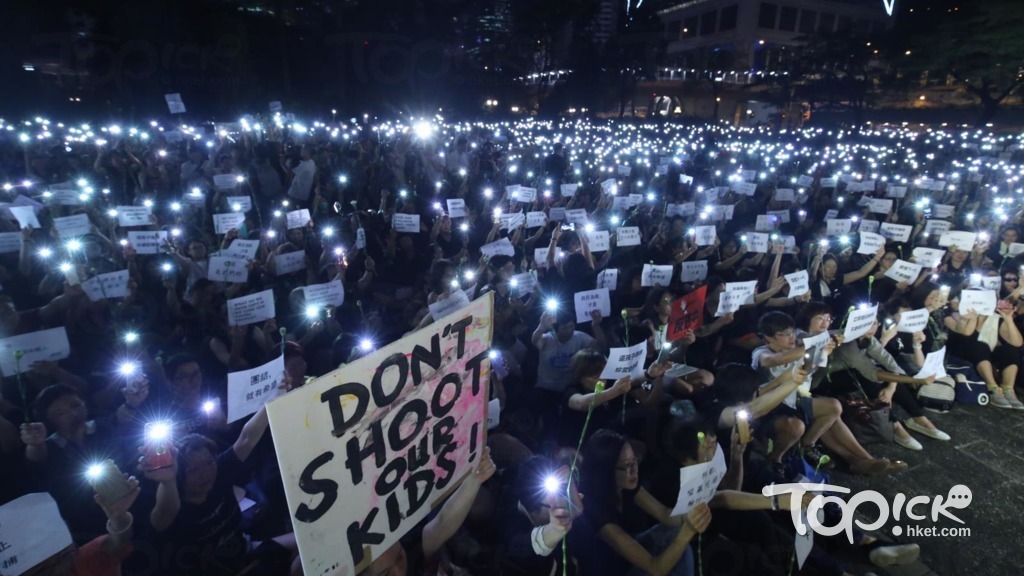
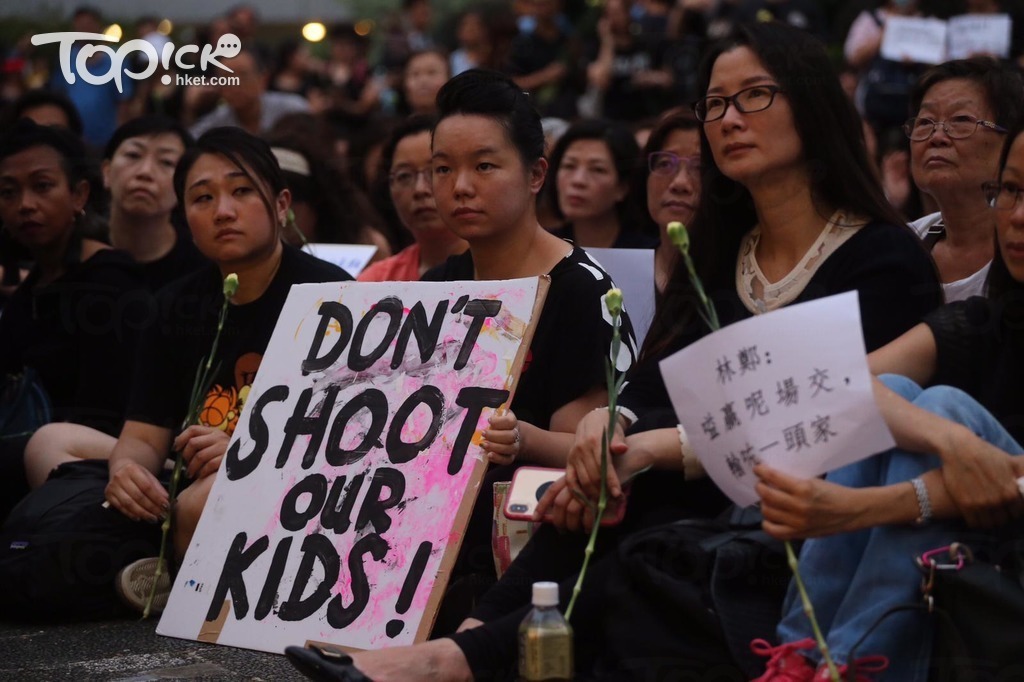
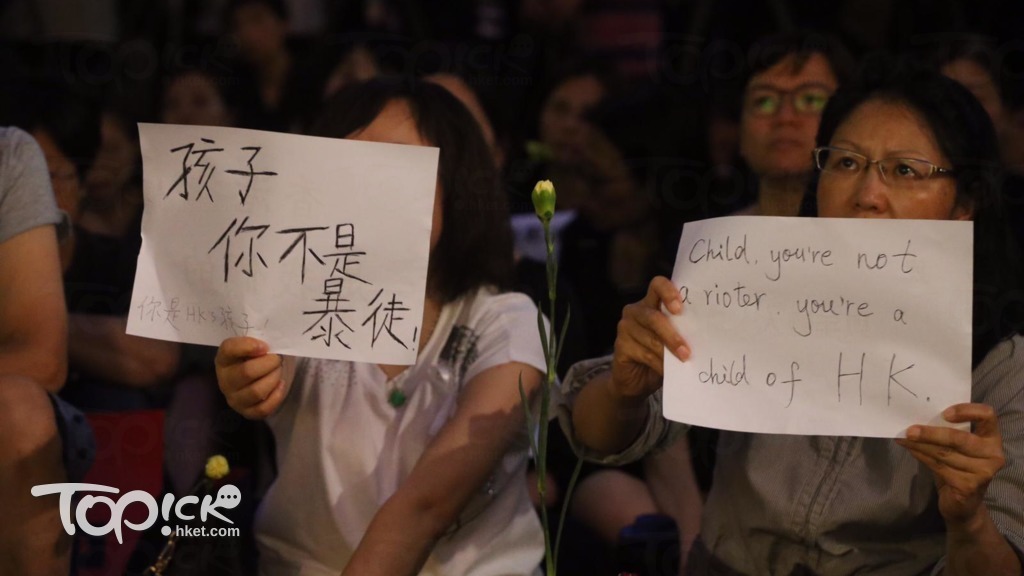
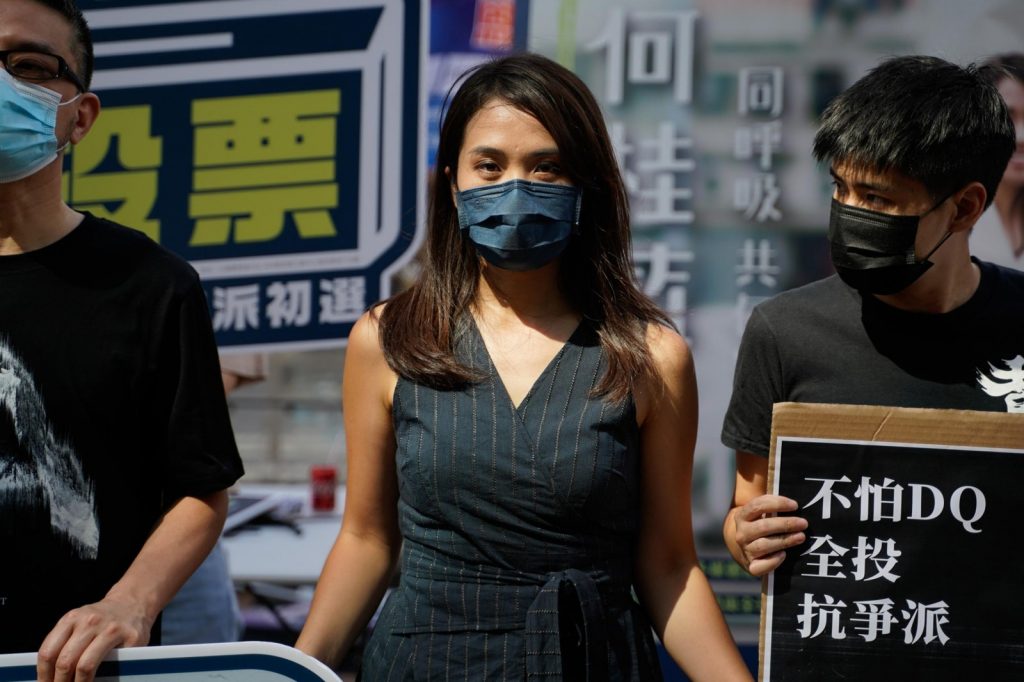
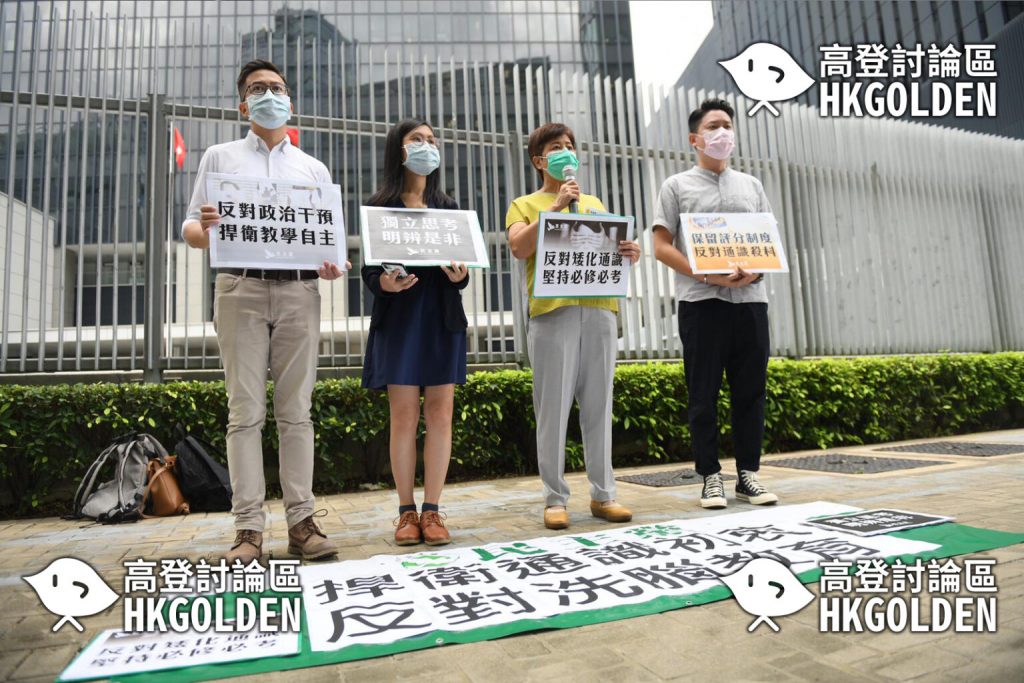
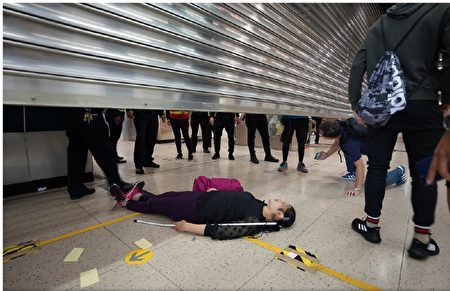
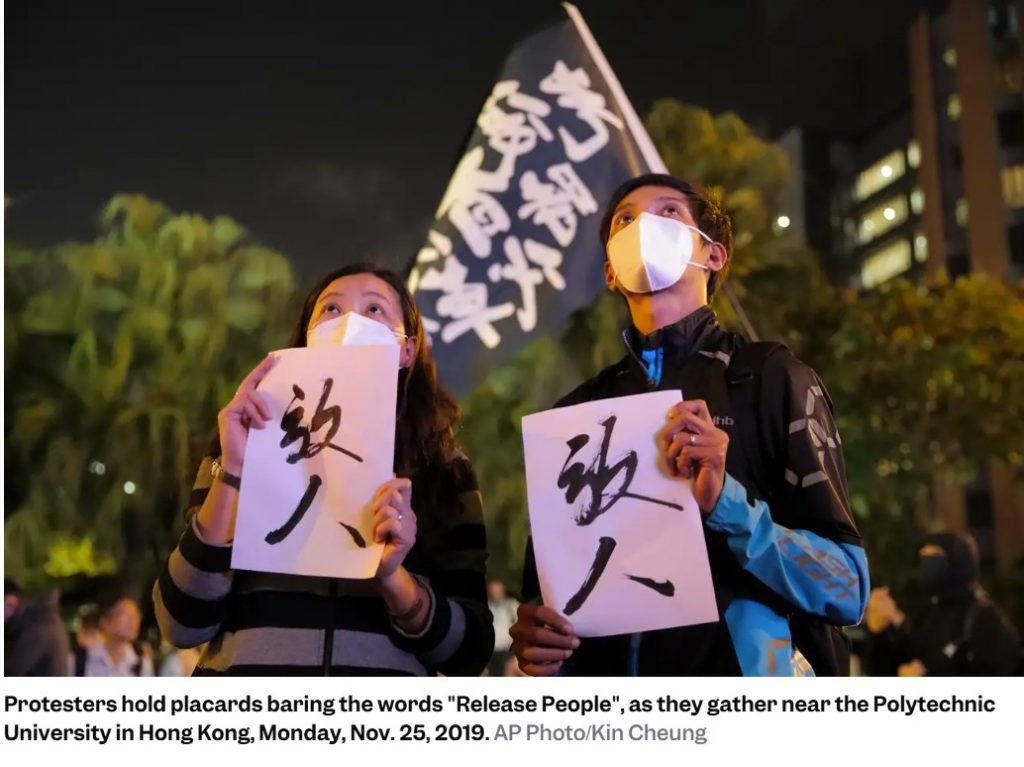
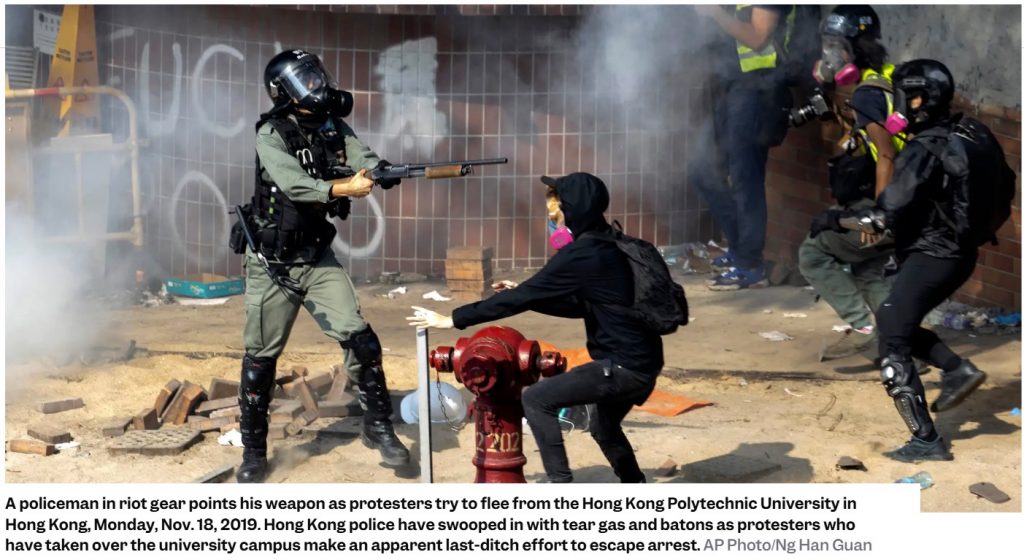
On International Human Rights Day, WRIC is reposting some media photos from six years ago as a commemoration. All photos are for non-commercial use. If there are any copyright issues, please contact us for correction. Many thanks!


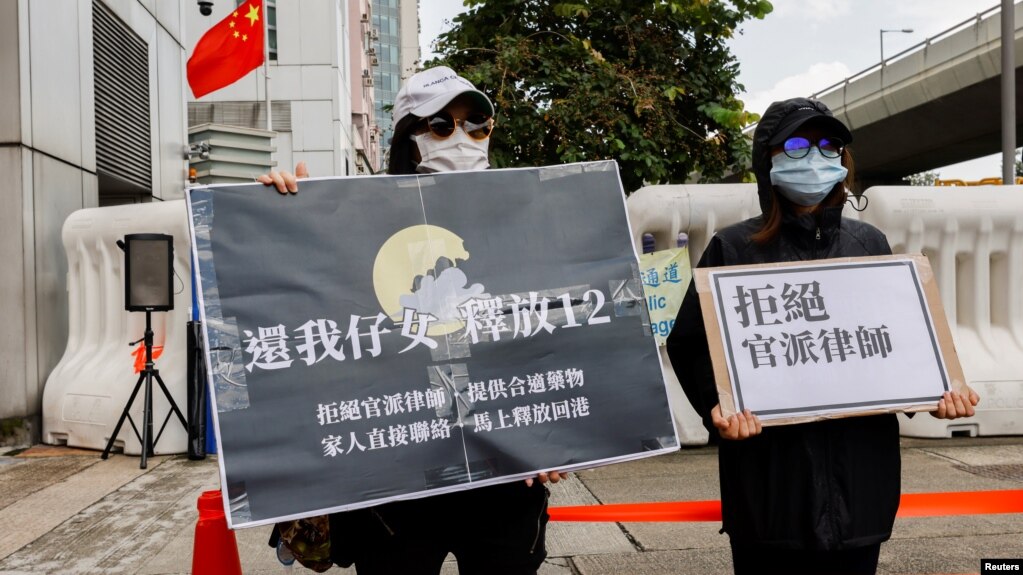
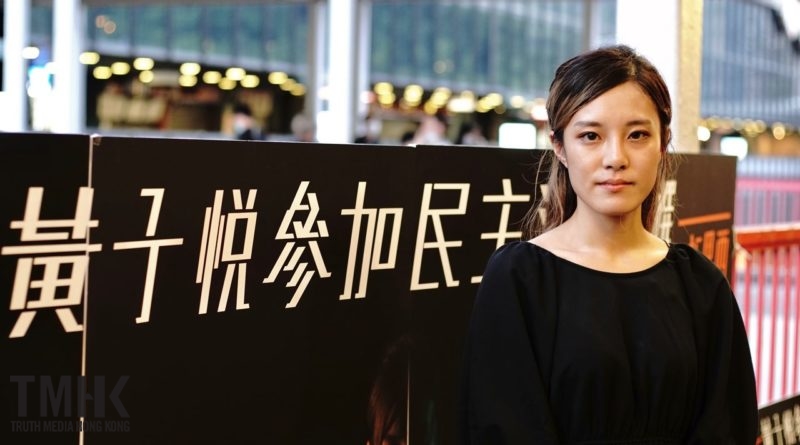
The photos document the cases of 47 people, 12 Hong Kong residents, female representatives who were killed during the protests, and mothers who asked the police not to shoot their children…


12港人案。12港人偷渡去台灣未遂,遭拘押三個月後被送回香港,但他們各自都面對不同的指控及刑期。